Outdoor Mapping: Weather Constraints and Technical Solutions


Outdoor Mapping: Weather Constraints and Technical Solutions
In short. Outdoor mapping is exposed to constraints that indoor does not face, and which must be anticipated from design. Rain and humidity require IP-rated protections on projectors or sealed technical cabins, plus careful management of connectors (cable glands, IP65 sleeves). Wind imposes validated structural rigging, ballasted tarps, and a defined weather threshold to safely stop the show. Humidity causes internal projector condensation, to be compensated by preheating and controlled ventilation. Light pollution (street lamps, signs, public lighting) must be identified by a mandatory night survey and negotiated upstream with the city hall or shopkeepers. Cold weakens video cables and freezes connectors, plan for low-temperature flexible cords. The plan B (cancellation, postponement, degraded configuration) must be contractually validated before the show.
Introduction
Outdoor mapping is an entirely different discipline from indoor mapping. Indoors, you control the environment: regulated temperature, total darkness, no wind, no rain. Outdoors, the weather decides.
Over 7 editions of mapping on the Arc de Triomphe, I have experienced just about everything Parisian weather can throw at you: heavy rain, thick fog, wind strong enough to tear off tarps, cold that freezes connectors. Each edition brought its share of problems and solutions.
This article summarizes what I have learned in the field, the technical solutions that work, and a complete checklist for preparing an outdoor mapping with no unpleasant surprises. Because the weather cannot be controlled. But you can prepare for it.
The Main Constraints
Rain and Humidity
This is the number one constraint. Water and electronics do not mix well, and a projector concentrates both problems: high voltage, precision optics, sensitive components.
The concrete risks:
- Short circuit: Water infiltrating the projector housing can cause an instant short circuit. On a professional projector representing a substantial investment, this is catastrophic
- Condensation on the optics: When the temperature drops (typically late at night), humidity condenses on the front lens. The image gradually becomes blurry, sometimes mid-show
- Cable deterioration: Cables on the ground in puddles, conduits filling with water, connectors absorbing moisture
Critical thresholds:
- Relative humidity > 80%: high risk of condensation on the optics
- Light rain (< 2 mm/h): manageable with proper protection
- Moderate rain (2-7 mm/h): operation possible with IP66 housings
- Heavy rain (> 7 mm/h): risky operation, assess case by case
- Violent rain / thunderstorm: immediate shutdown
Temperature
Extreme temperatures affect projector performance and reliability.
In summer (heat):
- Above 35 degrees C ambient, projectors risk overheating and thermal shutdown
- Inside a sealed protective housing, temperature can rise 15 to 20 degrees C above ambient. At 30 degrees C outside, that is 45-50 degrees C in the housing without ventilation
- Heat accelerates lamp aging (20 to 40% lifespan reduction)
- Asphalt, light-colored stone facades and rooftops reflect heat and create even hotter microclimates
In winter (cold):
- Below 0 degrees C, connectors become brittle, cables stiffen and break more easily
- Startup condensation is intense: the warm projector in cold air creates a cloud of moisture on the optics
- LCD panels lose responsiveness below 5 degrees C (slower response time, possible artifacts)
- Backup batteries (UPS) lose 30 to 50% of capacity below 0 degrees C
Recommended operating range:
- Operating temperature: 5 to 35 degrees C (varies by manufacturer)
- Storage temperature: -10 to 60 degrees C
- Outside these ranges, active conditioning solutions are needed
Wind
Wind is often underestimated. It does not directly threaten the projectors, but it impacts the entire infrastructure.
The concrete problems:
- Structure vibration: A projector on a scaffolding tower that vibrates in the wind means a shaking image. At 30 meters distance, a 1 mm vibration at the projector translates to a shift of several centimeters on the surface
- Tarp movement: Protective tarps flap in the wind and can obstruct the optics or airflow
- Fall risk: Lightweight structures, unsecured tarps, cables in the wind. The safety risk is real
- Dust and particles: Wind kicks up dust, sand, leaves, which clog filters and optics
- Excessive cooling: In winter, strong wind cools the housing but can also cause condensation through thermal shock
Critical thresholds:
- < 20 km/h: normal conditions
- 20-40 km/h: precautions needed (guying, ballasting)
- 40-60 km/h: operation under heightened monitoring, vibrations likely
-
60 km/h: shutdown recommended
Ambient Light
Outdoors, total darkness does not exist (except at very remote sites). Light pollution is the enemy of contrast.
Sources of stray light:
- Street lighting (lampposts, signs)
- Architectural lighting on the building itself (permanent illumination)
- Car headlights
- Moon (full moon = 0.2 to 0.3 lux on the ground, negligible alone but contributes to the background light level)
- Residual twilight (in summer, the sky is never truly dark before 10:30-11:00 PM)
Visibility threshold:
- Below 50-60 lux on the projected surface, mapping is difficult to read in a lit urban environment
- Aim for at least 80-100 lux for good contrast with moderate light pollution
- For a premium result, 150-200 lux is preferable
The projection calculator converts your projectors' lumens to lux on the surface, based on distance and image size.
Technical Solutions
Protection Against Rain and Humidity
IP66/IP67 protective housings:
This is the most reliable solution. A weatherproof housing encloses the projector in a sealed enclosure with an optical glass window in front of the lens.
| IP rating | Meaning | Use |
|---|---|---|
| IP54 | Protected against water splashes | Covered shelter, low rain risk |
| IP65 | Protected against water jets | Outdoor with moderate rain risk |
| IP66 | Protected against powerful water jets | Outdoor, variable weather conditions |
| IP67 | Protected against temporary immersion | Extreme conditions, seaside |
Reference brands: Tempest, Screenint, Vizbox, Panasonic (native housings for outdoor range).
Cost: The price varies significantly depending on size and IP rating. It is a substantial investment, but protecting a high-end professional projector fully justifies it.
Native outdoor projectors:
Some manufacturers offer projectors designed from the ground up for outdoor use, without an additional housing.
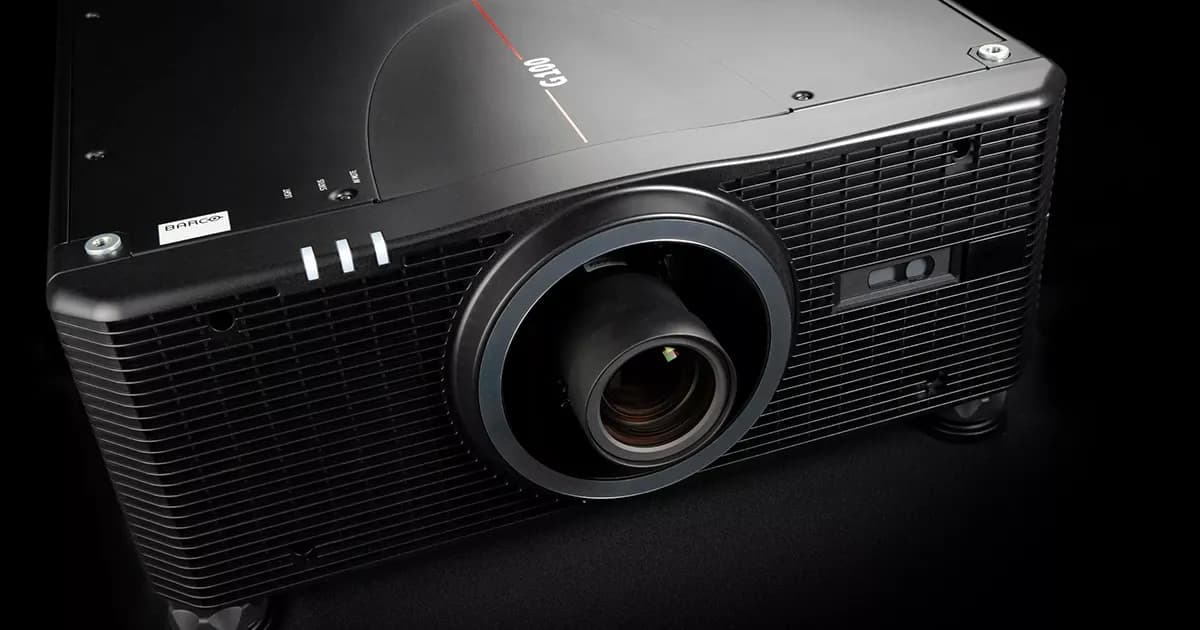
- Barco UDX-4K40: Native IP60, liquid cooling, 37,500 lumens. The benchmark for monumental outdoor
- Christie Griffyn 4K32-RGB: RGB laser, designed for outdoor, 31,000 lumens
- Panasonic PT-RQ50K: 50,000 lumens, 4K laser, optional housing for IP65
The advantage of these models: no intermediate glass window in front of the lens (which can degrade image quality and cause parasitic reflections).
Anti-condensation:
- Heating elements built into the housings (keep the glass above the dew point)
- Desiccant packets (silica gel) inside the housing (replace regularly)
- Dry air flow directed at the optics (blower with filter)
- Protective hood above the lens (prevents direct rain on the glass)
Temperature Management
In summer (cooling):
- Forced ventilation in housings (extraction fans with dust filters)
- Position projectors in shade when possible (before sunset, direct heat can be intense)
- Light-colored housings (reflect heat) rather than black (absorb)
- Fresh air intake from the bottom of the housing (hot air rises naturally)
- Internal temperature monitoring with alerts
In winter (preheating):
- Start projectors 30 to 60 minutes before the show to bring them up to temperature
- Heating elements in housings to maintain a minimum temperature of 10 degrees C
- Pre-warm cables (keep them indoors until setup)
- Monitor condensation at startup (wipe the optics if necessary)
Wind Stability
Reinforced structures:
- Ballasted scaffolding towers (concrete or water ballast at the base)
- Systematic guying above 4 meters in height
- Rigid projector mounting on the structure (clamp + counter-clamp, not a simple hook)
- Wind load calculation by a structural engineer for large-scale installations
Windbreaks:
- Micro-perforated tarps that let wind through while reducing its force
- Shipping containers positioned as windbreaks around the projection zone
- Positioning structures in the shelter of surrounding buildings when possible
Vibration damping:
- Anti-vibration mounts (silent blocks) between the projector and the structure
- Active stabilization systems on the most critical installations (gyro-stabilization, software compensation)
Enhanced Light Output
Outdoors, you need more lumens than indoors for the same perceived result.
Outdoor sizing guidelines:
| Environment | Recommended minimum lux |
|---|---|
| Remote site (countryside, unlit park) | 50 - 80 lux |
| Semi-urban area (moderate lighting) | 80 - 120 lux |
| Urban area (standard street lighting) | 120 - 200 lux |
| Brightly lit area (city center, signs) | 200+ lux |
Field tip: Systematically request that street lighting around the projection site be switched off. This is often possible (request to the city council) and can reduce the required output by 30 to 50%. It is the most cost-effective optimization: it costs nothing.
To calculate the required lumens, the projection calculator handles the lux/lumens conversion automatically.
Field Case: Arc de Triomphe
Over 7 editions of mapping on the Arc de Triomphe, here are the solutions we deployed and refined over the years.
The Specific Constraints
- Monumental surface of several hundred square meters
- Outdoor projection in central Paris, with intense light pollution (Champs-Elysees, illuminations)
- Variable weather conditions: shows have taken place in rain, cold, and fog
- Massive audience: several hundred thousand spectators, meaning zero tolerance for technical failures
- Listed environment: no fixings on the monument, everything must be freestanding
The Solutions Deployed
Rain protection:
- IP66 weatherproof housings on every projector
- Anti-condensation heating elements
- Technical tarps on control stations
- Elevated cabling (never on the ground in puddles)
Light output:
- 30,000+ lumen projectors to compensate for Parisian light pollution
- Negotiated shutdown of the monument's architectural lighting during the show
- Optimized content: vivid colors, high contrast, avoiding extended dark passages
Stability:
- Ballasted freestanding structures (no ground or monument fixings)
- Reinforced guying
- Backup calibration ready in case of wind-induced displacement
Redundancy:
- Redundant signal path (dual cabling, dual distribution)
- Spare projectors loaded and pre-calibrated
- On-site technician for the entire duration of the show
Lessons Learned
- Fog is worse than rain: Rain can be managed with housings. Fog diffuses the light beam and makes the projection milky. No technical solution exists; you have to wait it out or cancel
- Condensation is insidious: It builds gradually, without warning. By the time you see it on the image, it is already critical. Prevention (heating elements, airflow) is better than cure
- Wind always picks up at the worst moment: The strongest gust comes mid-show, not during rehearsals. Size structures for 1.5x the maximum expected wind
- Connectors freeze: Below -2 degrees C, locking connectors become very difficult to handle. Plan for non-locking connectors or adapted gloves
Budget Impact
Outdoor mapping is structurally more expensive than indoor. Here are the cost premium items to anticipate.
Cost Premium Table by Item
| Item | Indoor (baseline) | Outdoor (premium) | Ratio |
|---|---|---|---|
| Projectors | Standard | +30-50% output | x1.3 to x1.5 |
| Projector protection | None | Significant cost per projector | Variable |
| Structure | Simple stands | Towers + ballast + guying | x2 to x3 |
| Power supply | Mains | Generator | Substantial premium |
| Cabling | Standard | Reinforced + elevated + protected | x1.5 to x2 |
| Labor | 1-2 technicians | 3-5+ technicians | x2 to x3 |
| Insurance | Standard | Enhanced (weather) | x1.5 to x2 |
| Total project | Baseline | x1.4 to x1.8 |
Rule of thumb: An outdoor mapping project costs 40 to 80% more than the same project indoors. The article facade projection budget details budgets item by item.
Complete Outdoor Mapping Checklist
Before the Project (Study Phase)
Site analysis:
- Site visit completed (daytime AND nighttime)
- Ambient light pollution measured (lux meter)
- Stray light sources identified (street lighting, signs, vehicles)
- Wind exposure assessed (orientation, surrounding buildings, wind corridors)
- On-site electrical supply verified
- Projection distances and possible positions surveyed
- Access checked (truck, heavy equipment, access hours)
Permits:
- Municipal permit for public space use
- Heritage authority permit if listed building
- Prefecture permit if the event is open to the public
- Street lighting shutdown request submitted to the city council
- Event insurance taken out (including weather coverage)
Sizing:
- Required lux calculated for outdoor conditions
- Projectors selected with output margin (+30% minimum)
- Lenses chosen to match projection distances
- Multi-projector configuration calculated if required
- Power supply planned (total wattage + 20% margin)
Equipment (Preparation)
Projection:
- Projectors tested and lamp/laser hours verified
- Lenses verified and cleaned
- IP66+ protective housings planned (or native outdoor projectors)
- Anti-condensation heating elements functional
- Fresh desiccant packets
- Microfiber cloths and optical cleaning solution for on-site use
Signal:
- Signal cables in sufficient length (+20% margin)
- Spare cables (1 spare per type)
- Protective conduits for ground-level cabling
- Connectors verified (no oxidation)
- Signal distribution tested
Structure:
- Support structures sized for wind (load calculation)
- Sufficient ballast (concrete or water)
- Guy wires and lashing straps
- Protective tarps (projectors + control station)
- Projector mountings (clamps + counter-clamps)
Power:
- Generator ordered and sized
- Sufficient fuel for the full duration + margin
- Power cables in appropriate gauge
- Distribution panel with residual current protection
- Grounding verified
Setup (Day of)
- Weather checked (hourly forecasts)
- Shutdown thresholds defined (wind, rain, lightning)
- Structures erected and ballasted BEFORE projector installation
- Guying in place and tensioned
- Projectors installed in protective housings
- Cabling laid and protected (conduits, elevation)
- Signal path tested end to end
- Power supply energized and tested
- Calibration completed (warping + blending)
- Backup calibration saved
- Spare projector loaded and pre-calibrated
- Full show test in real conditions
Operation (During the Show)
- On-site technician present
- Projector temperature monitoring active
- Weather station on-site (wind, rain, humidity)
- Emergency shutdown procedure defined and known to the team
- Cloth + optical cleaner accessible for condensation cleaning
- Work torch available for equipment intervention
Teardown
- Projectors powered down and cooled BEFORE removal
- Protective housings drained of residual condensation
- Connectors dried and protected
- Equipment inventoried before loading
- Site restored to original condition (no cables, no ballast, no marks)
FAQ
Can you project in the rain?
Yes, with projectors in IP66 housings or native outdoor models. Rain falling through the light beam barely affects image quality (droplets are transparent and pass through too quickly to be visible). It is water on the optics and inside the housing that causes problems, not the rain itself.
What is the minimum temperature for outdoor projection?
Most professional projectors operate down to 0-5 degrees C. Below that, a heated housing is required. Some installations run at -20 degrees C with appropriate thermal conditioning (insulated housing + heating element + controlled ventilation).
Does fog prevent projection?
Fog diffuses the light beam: the image loses contrast and sharpness. Light fog is manageable. Dense fog makes projection unusable: the beam becomes a luminous halo with no readable image. There is no technical solution; you have to wait for the fog to lift.
Can you project in daylight?
No, not with current technology. Even a 40,000-lumen projector cannot compete with sunlight (100,000 lux). Outdoors, wait for full darkness (or at minimum late twilight). In summer, this often means not starting before 10:00 PM.
How do you protect cables on an outdoor site?
Protective conduits on the ground (event-type cable ramps), elevation on cable trays when possible, drip loops at connections (the cable loops downward before rising to the connector, so water flows to the low point instead of entering the connector). All joints must be elevated and protected with self-amalgamating tape.
Is specific insurance required for outdoor mapping?
Yes. Standard event insurance rarely covers weather damage. Take out specific coverage for: equipment (damage, theft), public liability (structure collapse, audience injury), and ideally weather-related cancellation.
Can you automate a permanent outdoor installation?
Yes. Permanent outdoor installations (heritage son et lumiere shows, for example) operate with automation: scheduled start/stop, twilight sensors, remote monitoring, automatic shutdown in case of excessive wind or rain. The article event vs permanent mapping details the specifics of long-term installations.
Need Support for Your Outdoor Project?
Outdoor mapping adds a significant layer of technical complexity. Field experience makes the difference between a project that runs smoothly and one that suffers weather-related setbacks.
Let's talk about your project to discuss your outdoor mapping project and anticipate the constraints.
Size your installation with our free tools:
- Projection calculator: throw ratio, lumens, lux, pixel size
- Multi-projector calculator: optimal multi-projector configuration
- Lumeo 3D simulator: visualize your installation in 3D
Further reading: Facade projection budget to cost out your outdoor project item by item.

Video mapping consultant and trainer
Fifteen years of monumental and museum-grade installations: Arc de Triomphe (7 editions), Museum of Art and Light Kansas (108 projectors), Atelier des Lumières. Design, multi-projector calibration, audit, Modulo Kinetic training.
Need technical expertise?
Let's discuss your video projection or mapping project. Reply within 48h business hours.
Discuss your projectDid you enjoy this article?
Receive my upcoming tips, field experience and best practices straight to your inbox.
By subscribing, you agree to receive our emails. You can unsubscribe at any time.
1 email per week maximum, unsubscribe in 1 click